Bucket List With Frank Presents
The American
Desert Loop
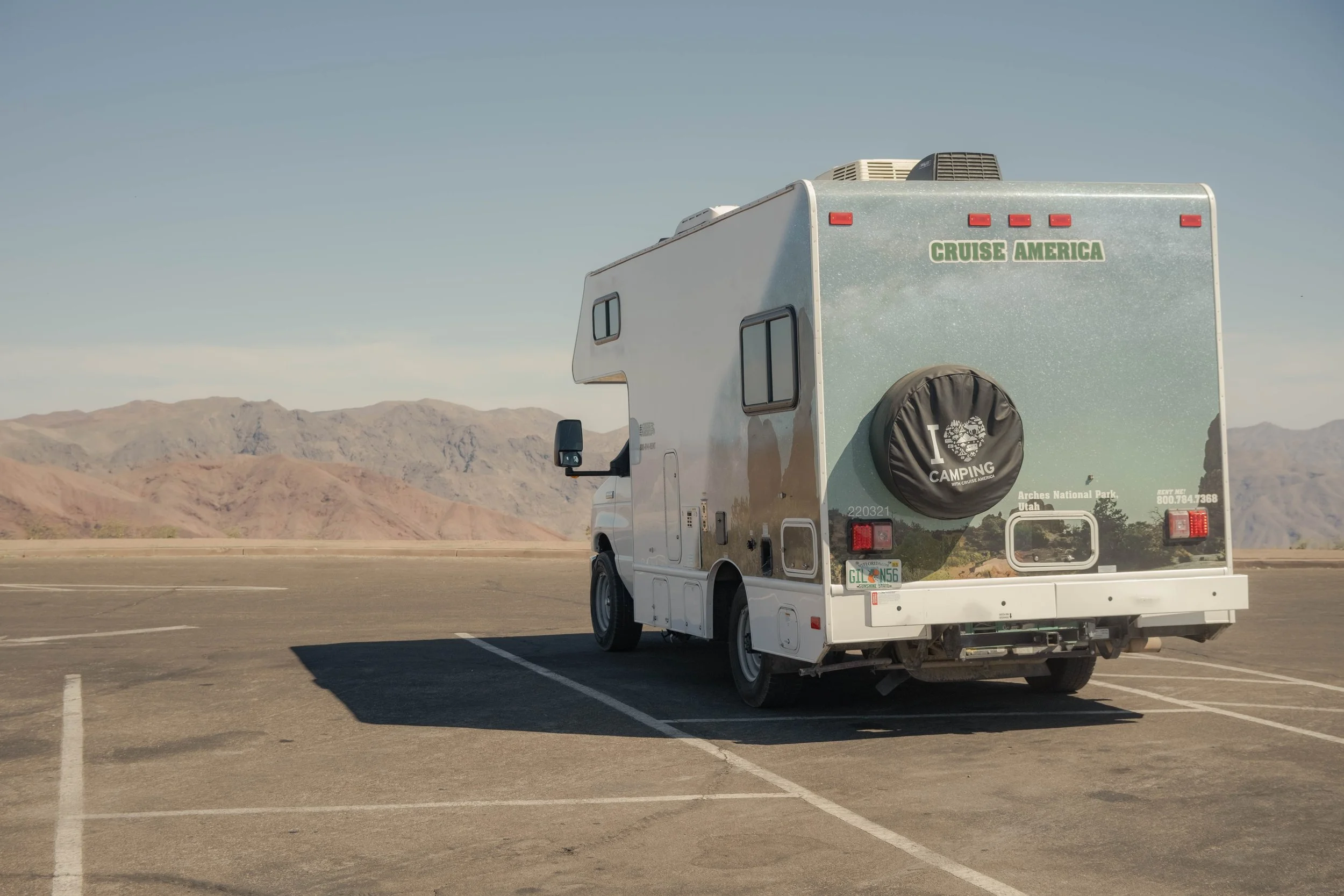
1,259 miles across California and Nevada in a rented Cruise America RV. Chasing desert highways, Route 66 icons, national parks, roadside nostalgia, and the freedom of the open road.
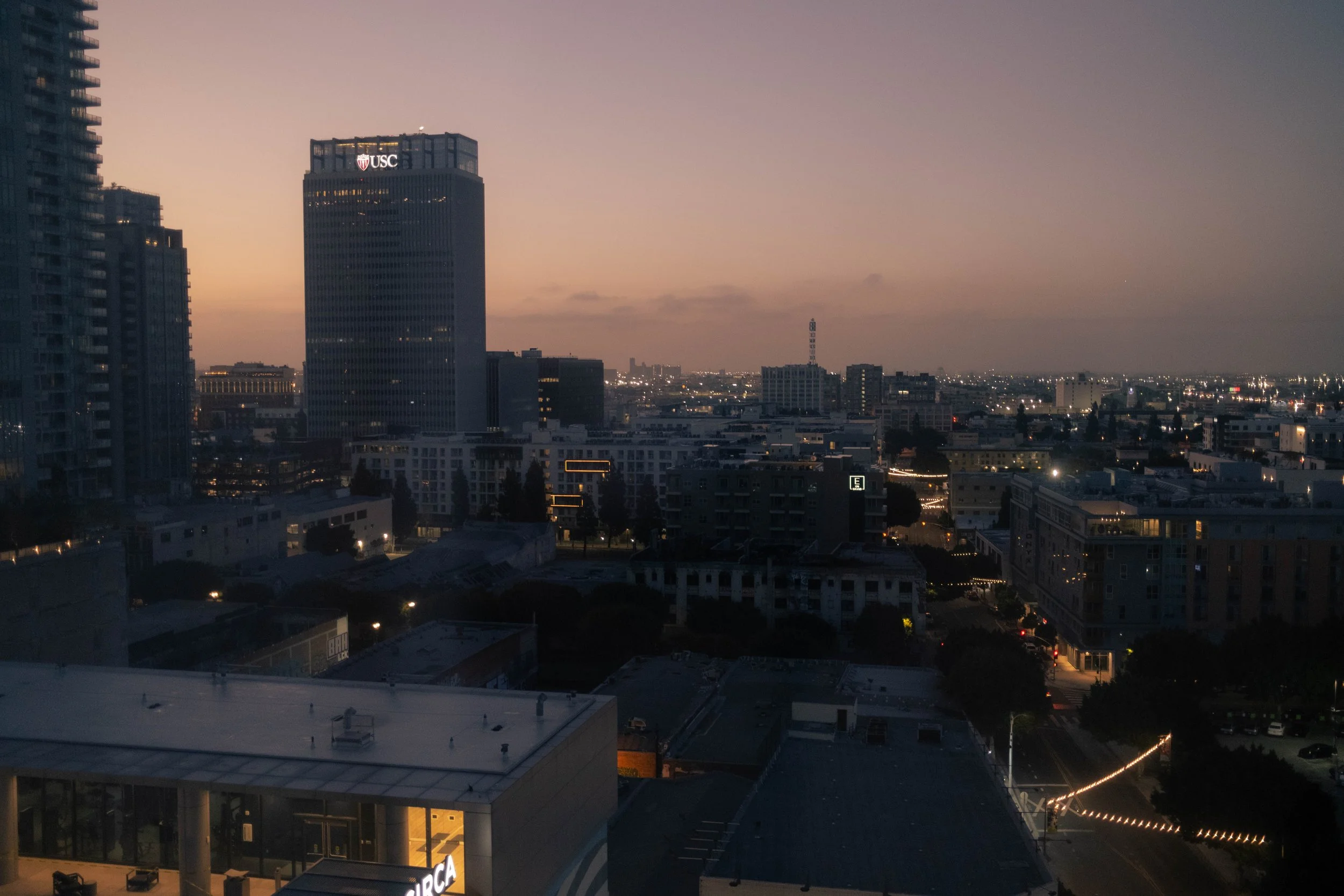
📍 Los Angeles, California
The Journey Begins
Cruise America RV Pickup • Carson, California
Every great road trip begins with a single turn of the key. After landing in Los Angeles, I picked up my Cruise America RV, stocked up on supplies, and officially began a solo adventure across California and Nevada.
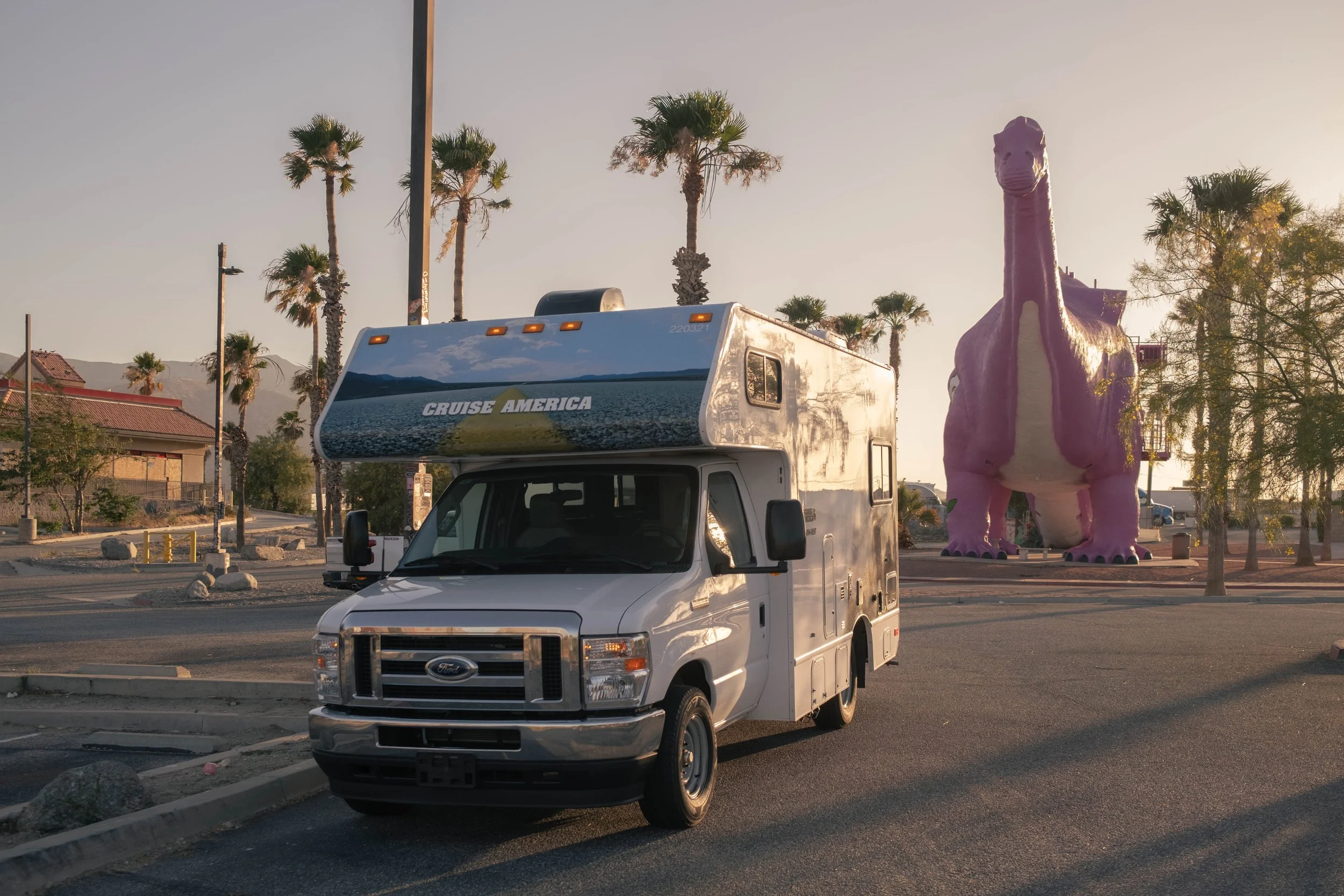
📍 Cabazon, California
Cabazon Dinosaurs
Roadside Americana • Desert Detour • First Iconic Stop
Before the desert fully opened up, the first true roadside landmark appeared off the highway: the Cabazon Dinosaurs. Equal parts strange, nostalgic, and unmistakably American, this stop set the tone for the trip — big skies, oddball attractions, and the kind of places that make a road trip feel real.
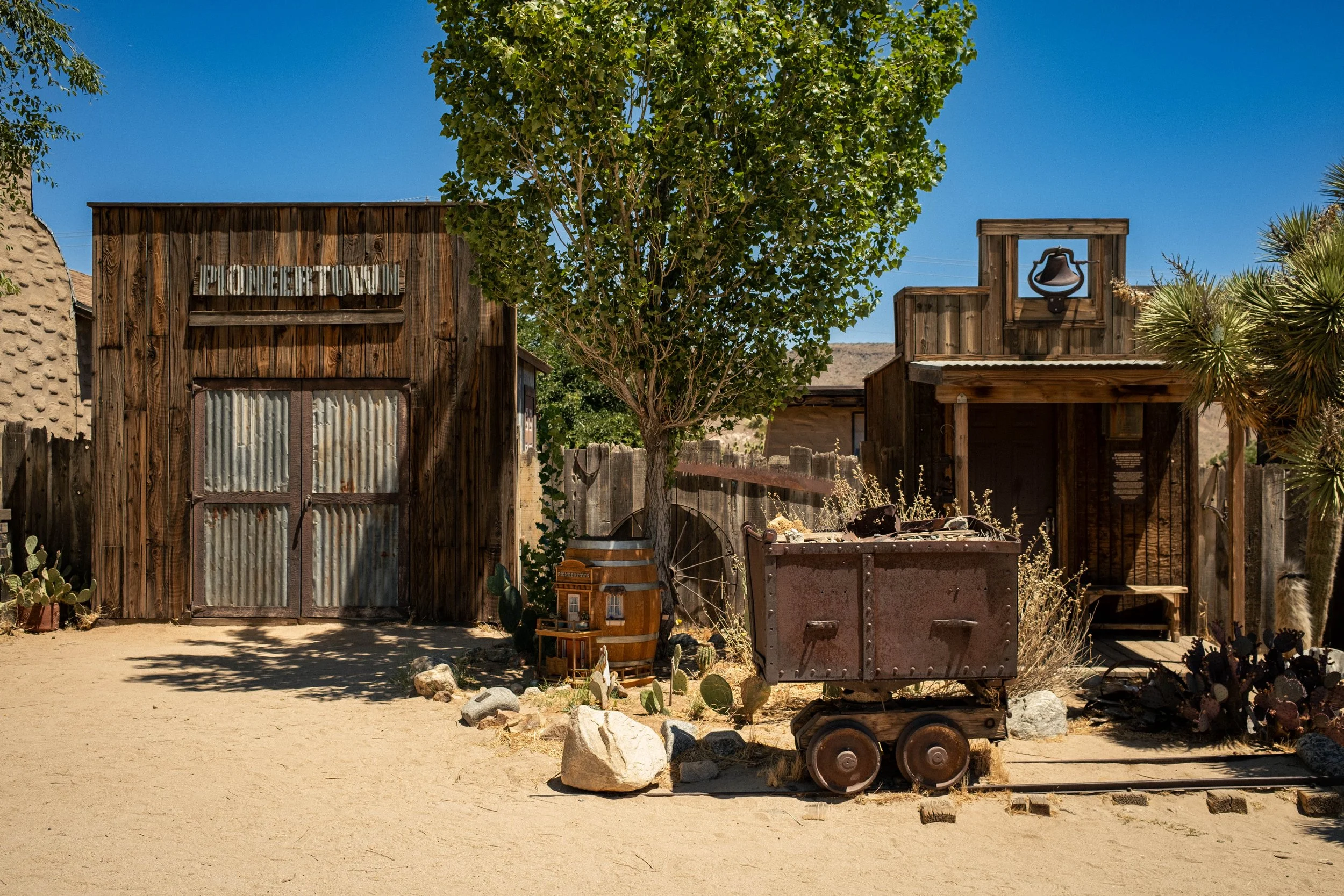
📍 Pioneertown, California
Pioneertown
Old West Film Set • High Desert • Since 1946
Hidden in California's high desert, Pioneertown was originally built as a live-in movie set where Hollywood westerns came to life. Walking its dusty main street felt like stepping into another era, with wooden storefronts, mountain backdrops, and a reminder that some of America's most memorable places are found far from the interstate.
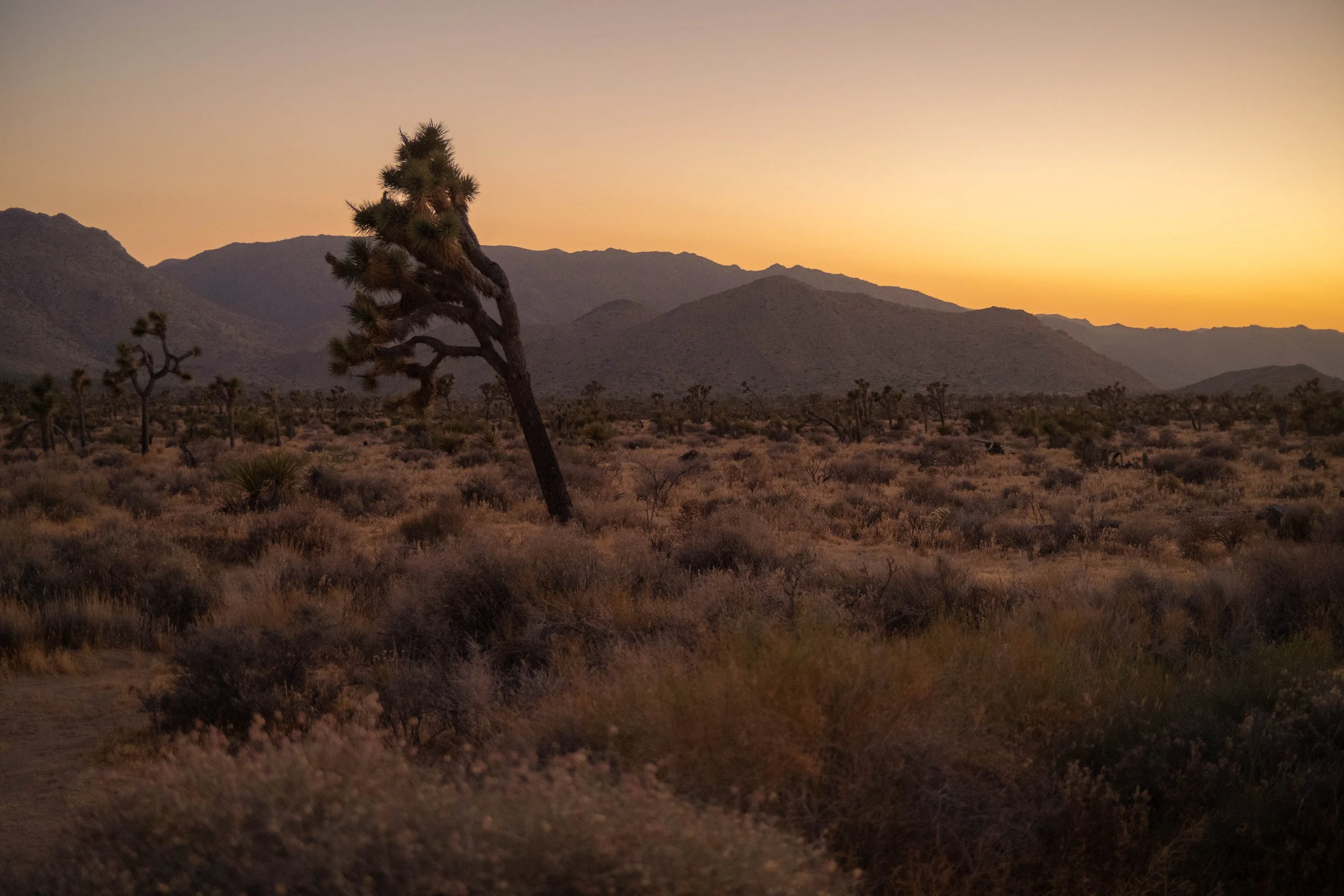
THE FIRST CHAPTER
Joshua Tree
Where the Adventure Truly Began
Joshua Tree National Park marked the first full day of life on the road.
From panoramic views at Keys View to hiking among the granite formations
surrounding Ryan Mountain, every stop revealed a different side of one of
California's most remarkable desert landscapes.
As daylight faded, I settled into Jumbo Rocks Campground, surrounded by
massive boulder formations shaped by millions of years of desert weather.
When night fell, the sky transformed into one of the most incredible displays
of stars I had ever seen, making my first night in the RV one of the most
memorable moments of the entire journey.
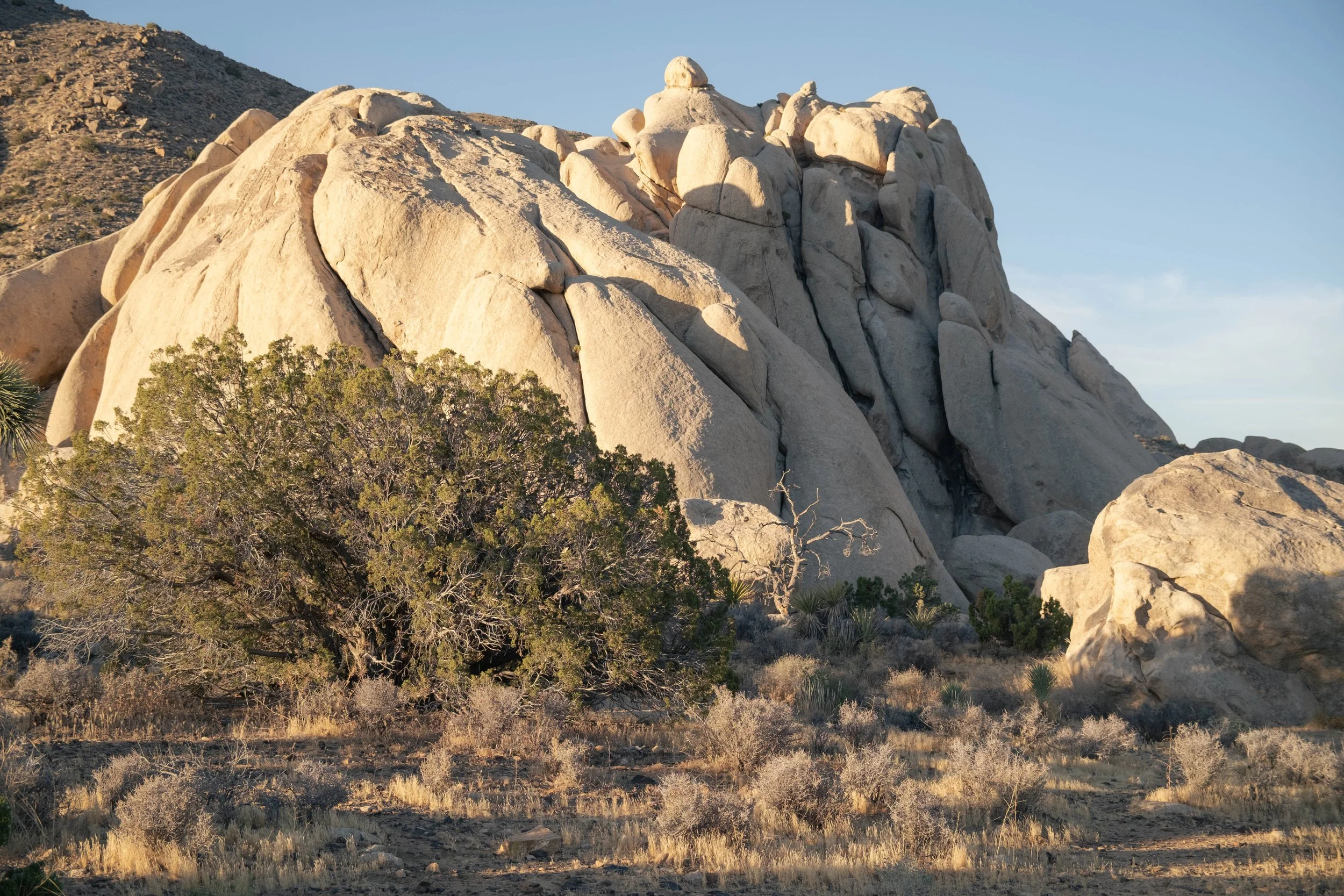
Rising to an elevation of 5,457 feet, Ryan Mountain is one of Joshua Tree National Park's highest and most iconic accessible summits.
The steady climb rewards hikers with sweeping 360-degree views across the Mojave and Colorado Deserts, revealing endless granite formations, winding roads, and forests of Joshua trees.
Standing at the summit, it became clear that some of the best views are the ones you have to earn.
RYAN MOUNTAIN
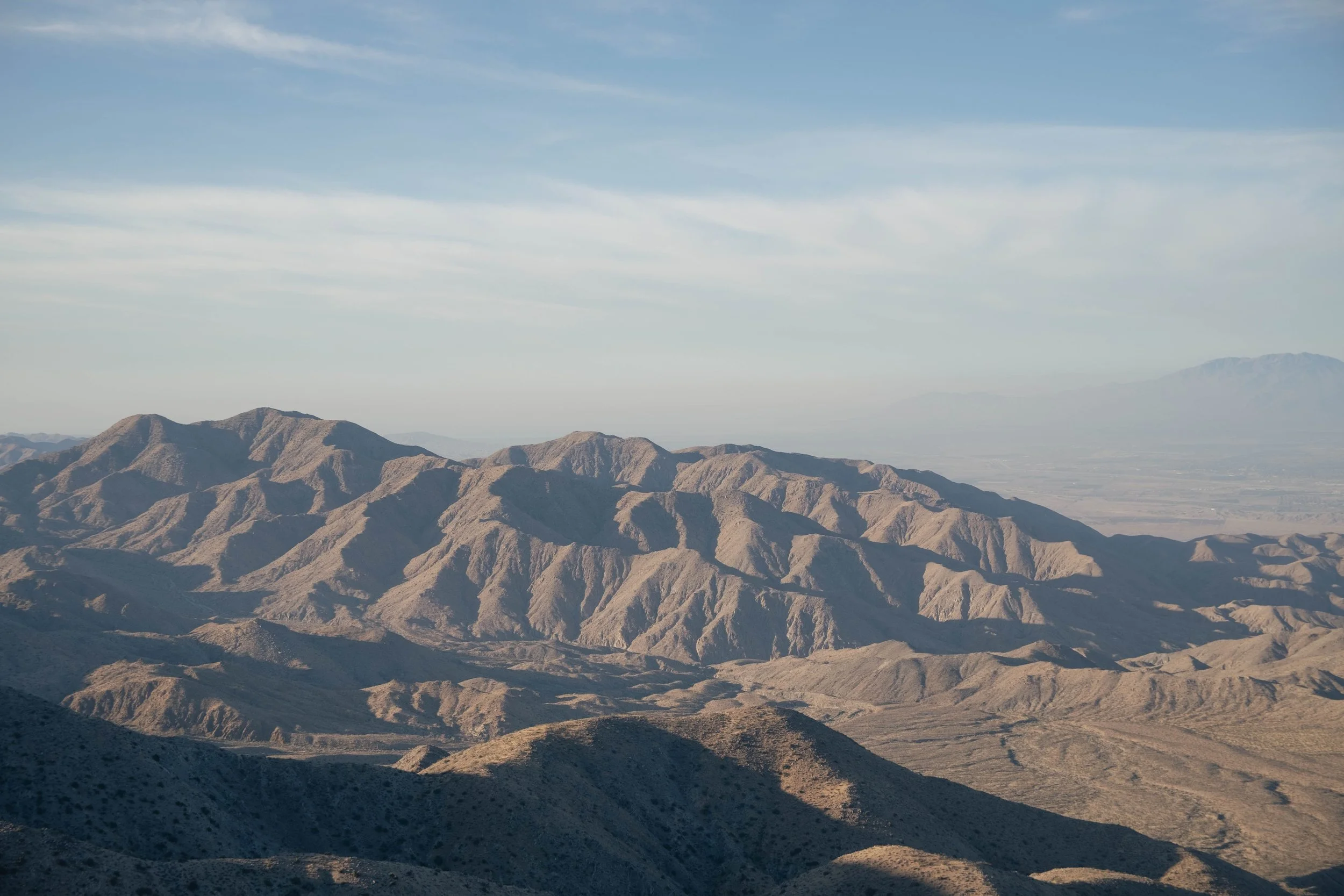
KEYS VIEW
Perched more than 5,100 feet above sea level, Keys View offers one of the most spectacular panoramas in Joshua Tree National Park.
From the overlook, the Coachella Valley, the San Andreas Fault, and the meeting point of the Mojave and Colorado Deserts stretch toward the horizon.
It was the first place on the journey where the sheer scale of the California desert truly came into focus.
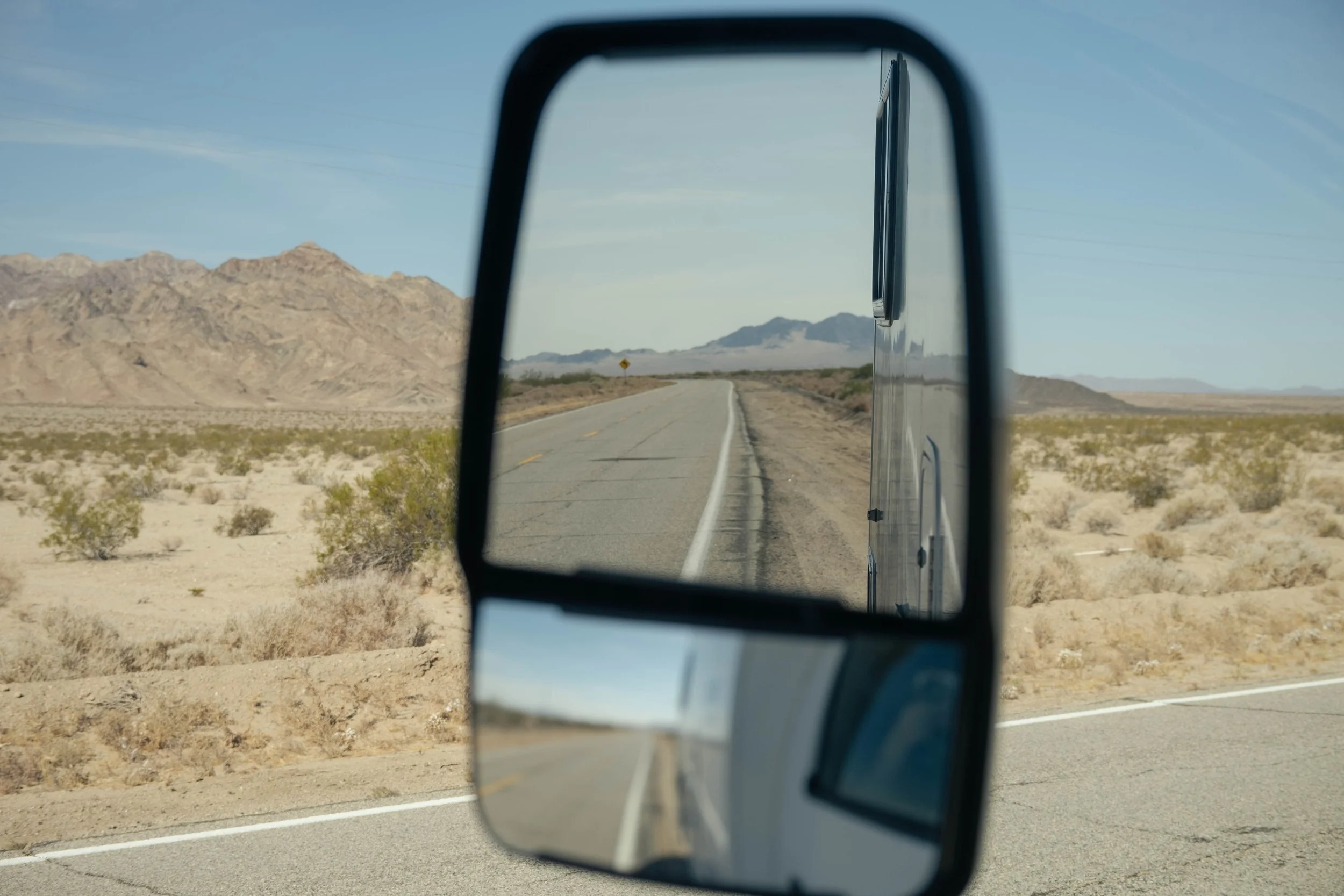
📍 California
Mojave National Preserve
Day Two Begins • Into the Mojave Desert
As the morning sun rose over the Mojave Desert, the road stretched endlessly toward the horizon. Towering Joshua trees, volcanic mountains, and miles of empty highway created one of the most peaceful drives of the entire journey. Here, the destination became secondary—the road itself was the experience.
FEATURED LANDMARK
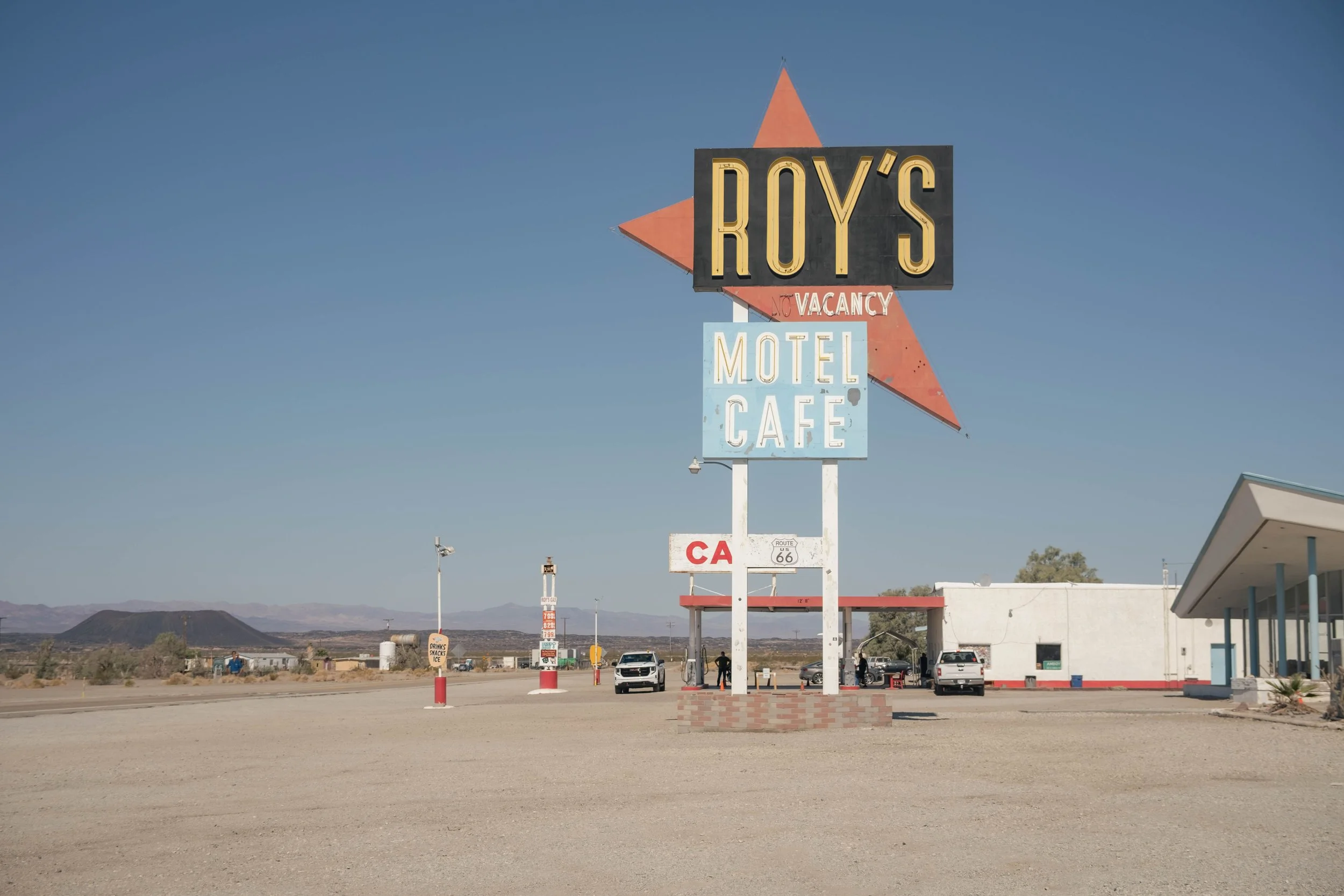
The Spirit of Route 66
Some places become destinations. Others become symbols. For nearly a century, Roy's Motel & Café has welcomed travelers crossing the Mojave Desert, standing as one of the most recognizable landmarks along America's most famous highway.
📍 Amboy, California
Amboy
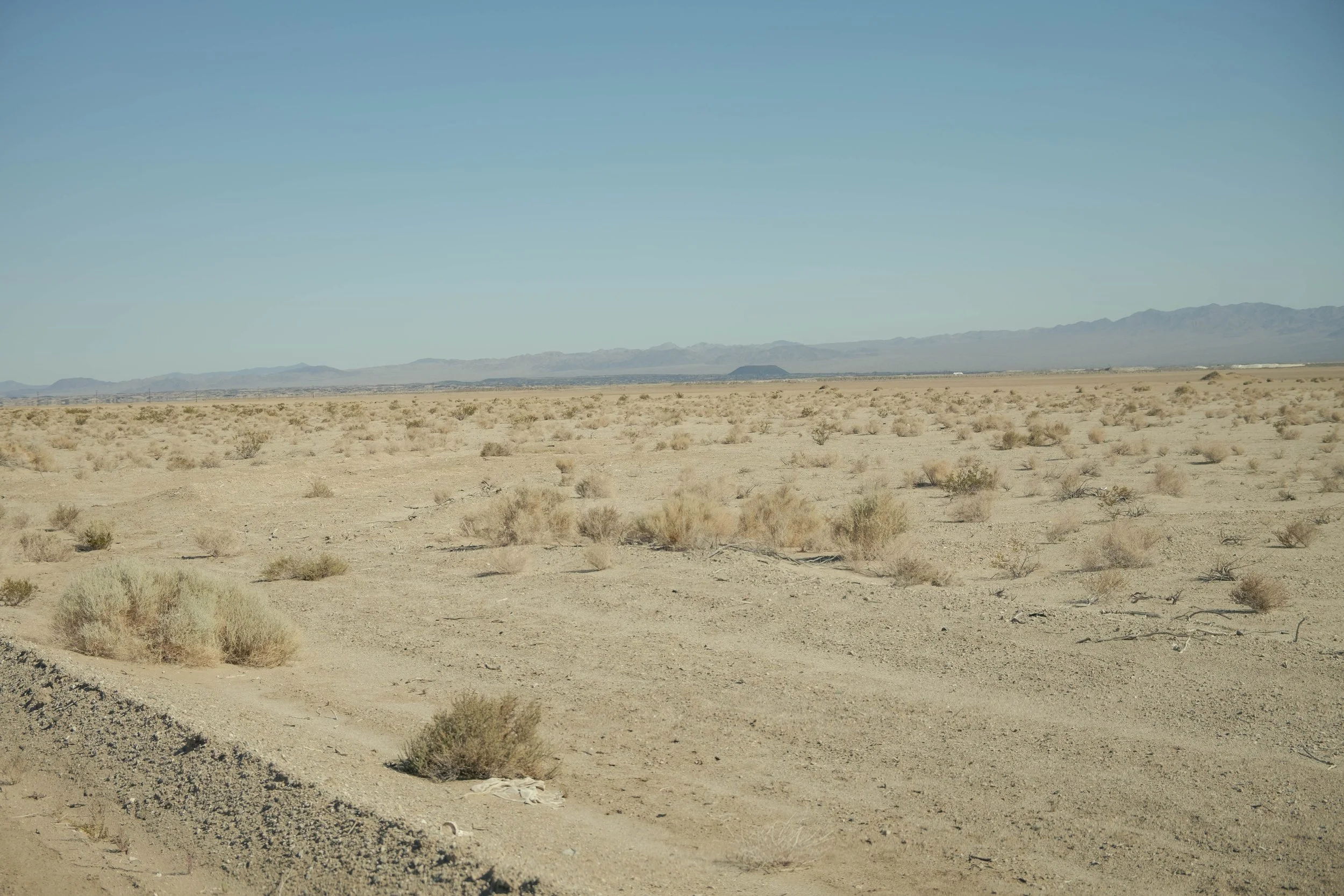
Historic Route 66 • Mojave Desert • Population: Nearly Zero
Once a bustling stop along America's most famous highway, Amboy now stands as one of Route 66's most recognizable ghost towns. Surrounded by the Mojave Desert, its abandoned buildings, quiet streets, and timeless atmosphere offer a glimpse into the golden age of cross-country road trips, when this stretch of highway carried thousands of travelers west.
📍 Yermo, California
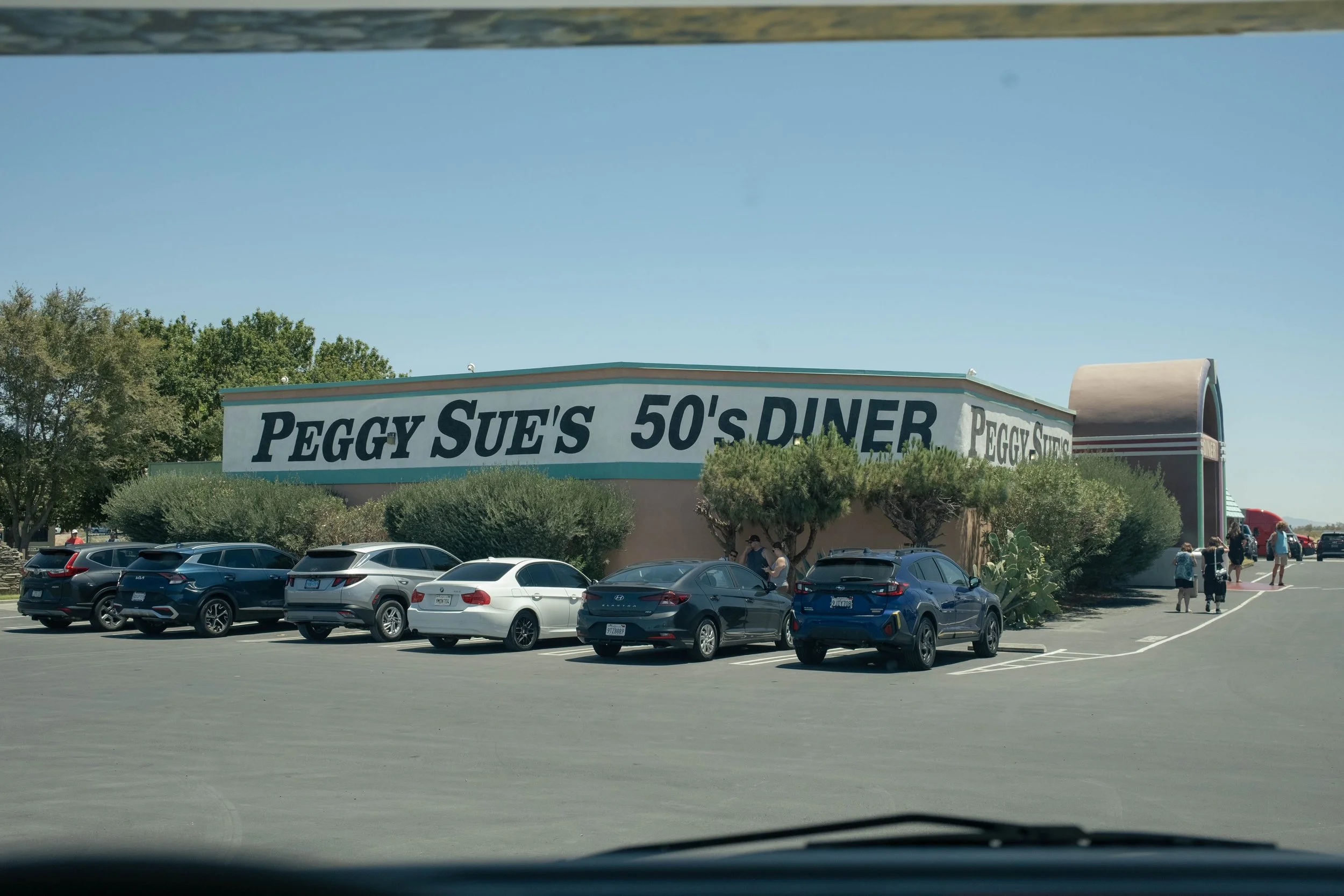
Peggy Sue's 50's Diner
Roadside Diner • Desert Classic • Americana Time Capsule
After hours of desert highway, Peggy Sue's felt like stepping into a different decade. Neon signs, old-school booths, classic diner food, and walls filled with 1950s nostalgia turned a lunch stop into part of the story. It was the kind of place that reminds you why road trips are not just about where you're going, but what you find along the way.
📍 Baker, California
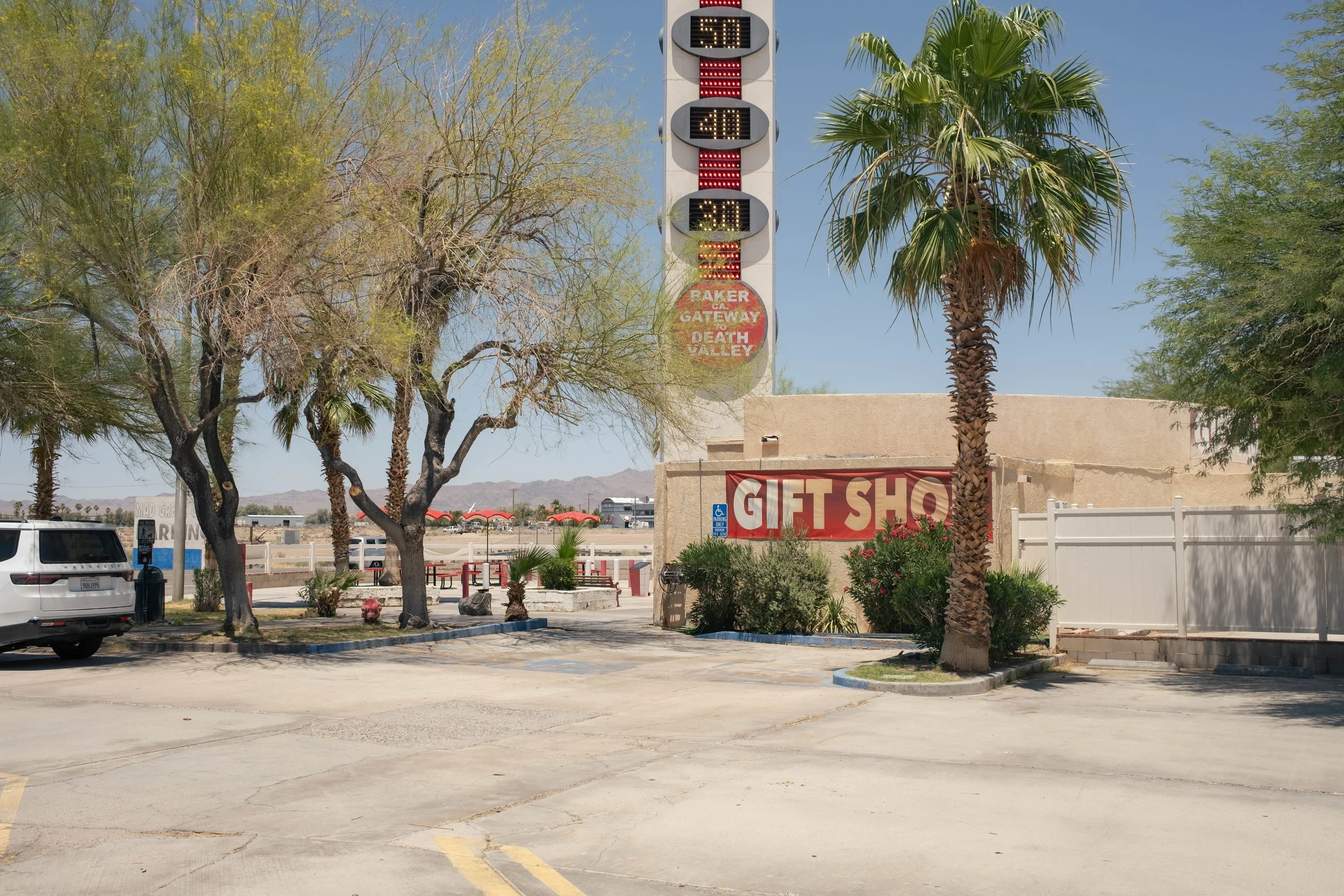
Baker Thermometer
Desert Landmark • Gateway to Death Valley • Measuring the Heat
Rising 134 feet above the Mojave Desert, the World's Tallest Thermometer has become one of California's most recognizable roadside landmarks. Built to commemorate the highest temperature ever recorded on Earth in nearby Death Valley, it serves as a reminder that the journey was about to enter one of the most extreme environments anywhere on the planet.
THE HEART OF THE JOURNEY
Death Valley
The Hottest Place on Earth
Every mile leading up to this point had been building toward one destination.
Beyond Route 66, roadside diners, and endless desert highways lies one of the
most extraordinary landscapes on Earth. Death Valley isn't simply another
national park—it is a place that completely changes your sense of scale.
Standing among towering sand dunes, endless salt flats, and mountains sculpted
over millions of years, I experienced one of the quietest places I've ever
visited. Even in 116-degree heat, it was impossible to look away. It wasn't
the end of the road—but it was the moment that defined the journey.
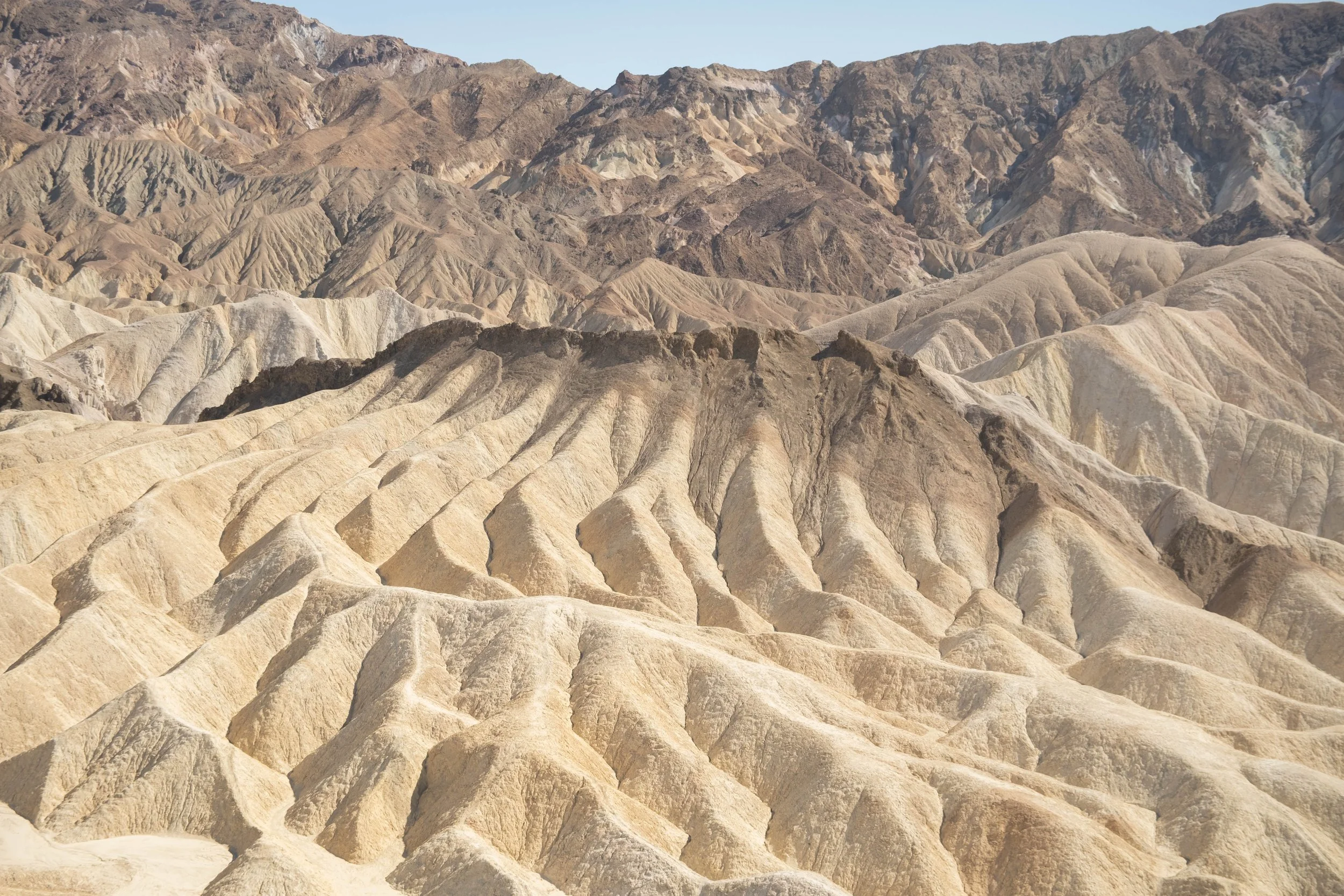
Millions of years of erosion transformed an ancient lakebed into the dramatic ridges and golden badlands seen today.
Standing at Zabriskie Point, the landscape stretches endlessly in every direction, creating one of the most iconic and surreal views in Death Valley National Park.
It was one of those rare places that looked just as unbelievable in person as it does in photographs.
Zabriskie Point
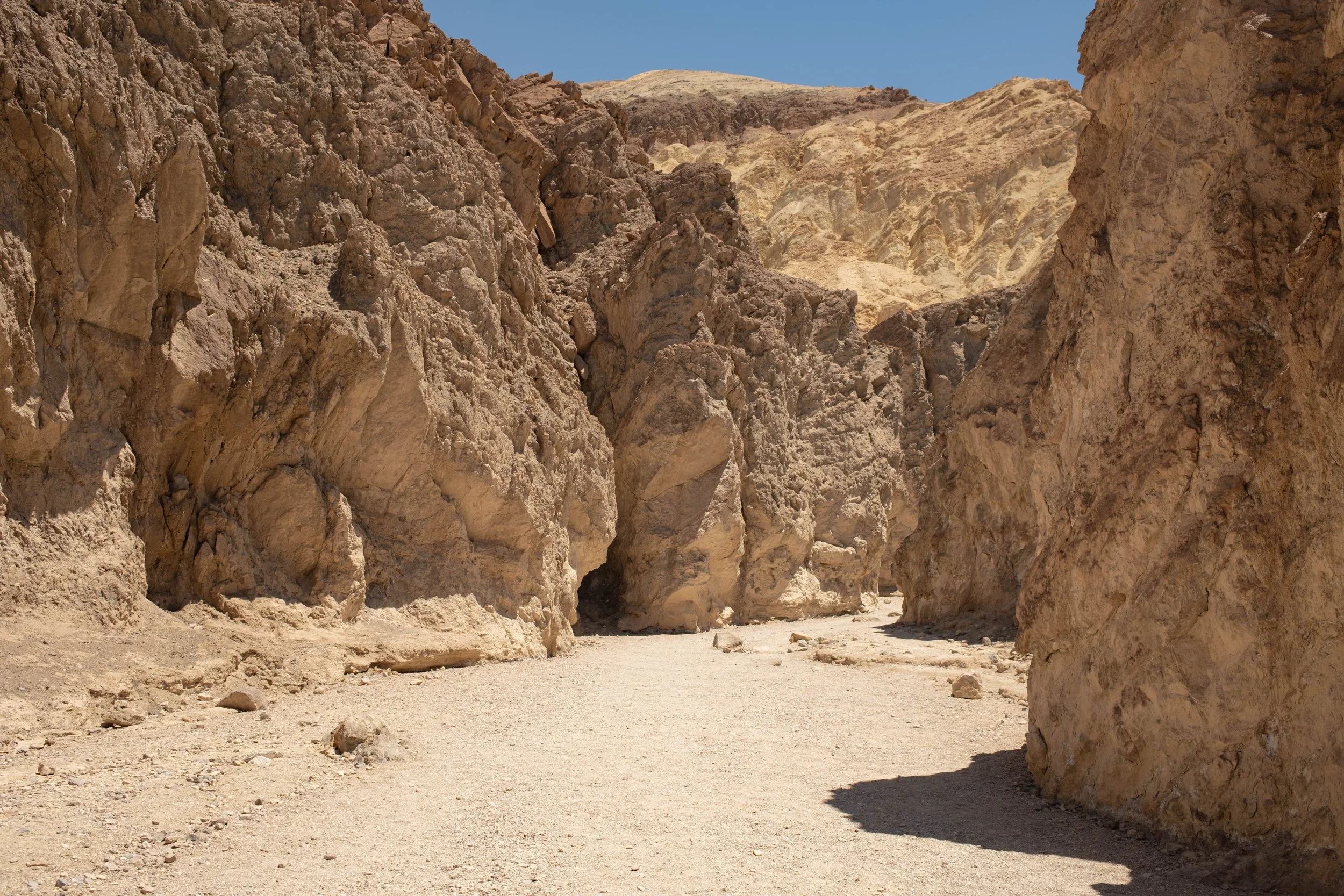
Golden Canyon
Winding through towering golden walls sculpted by ancient lakes and relentless erosion, Golden Canyon offers one of Death Valley's most immersive landscapes.
Every turn reveals new textures, colors, and formations, making it feel less like a hiking trail and more like walking through the pages of Earth's geological history.
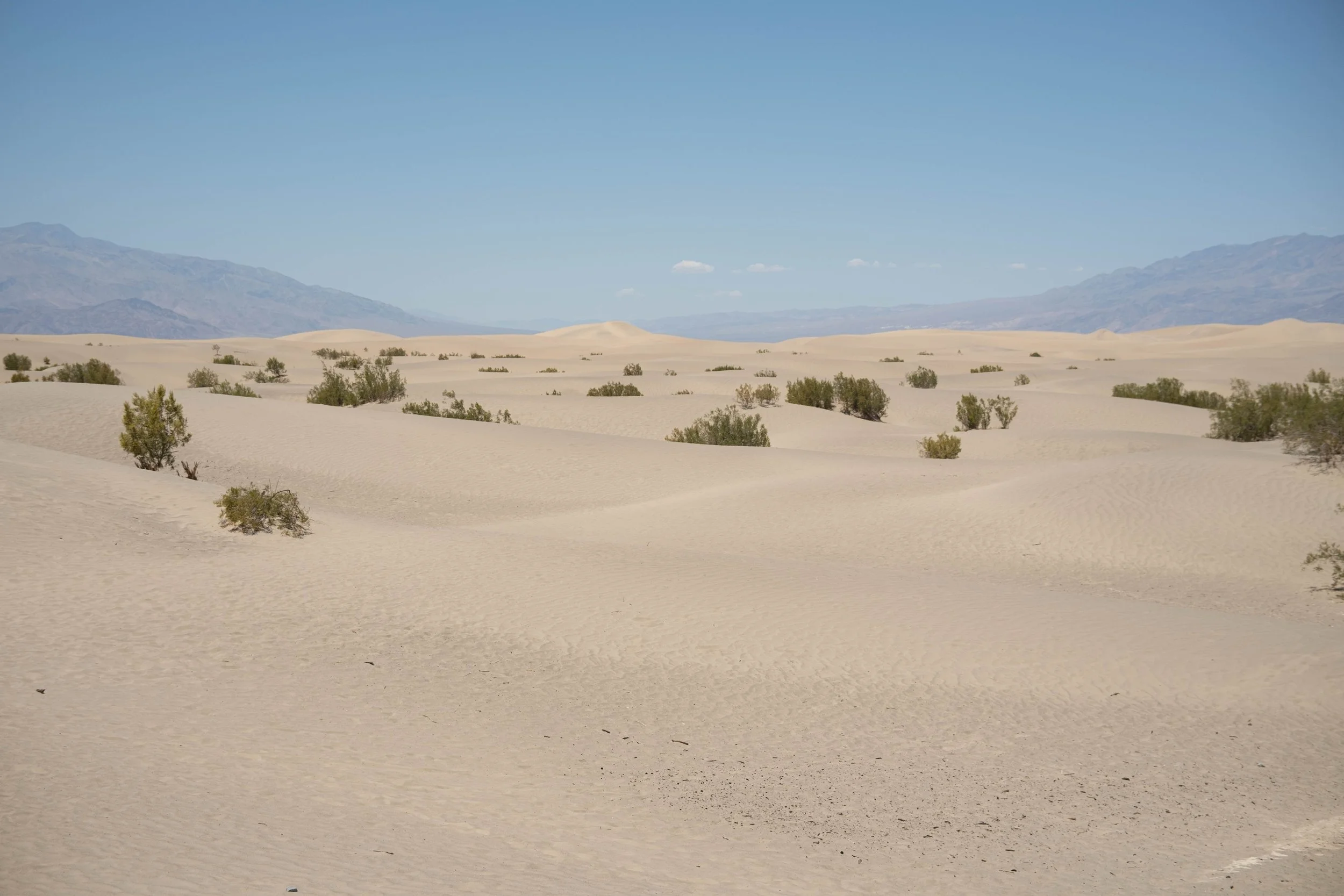
Mesquite Flat Sand Dunes
Shaped by centuries of desert winds, the Mesquite Flat Sand Dunes are among Death Valley's most iconic landscapes.
Endless waves of golden sand, framed by rugged mountain peaks, create a scene that feels untouched by time. Standing here was a reminder that some of the most extraordinary places don't need words to leave an impression.
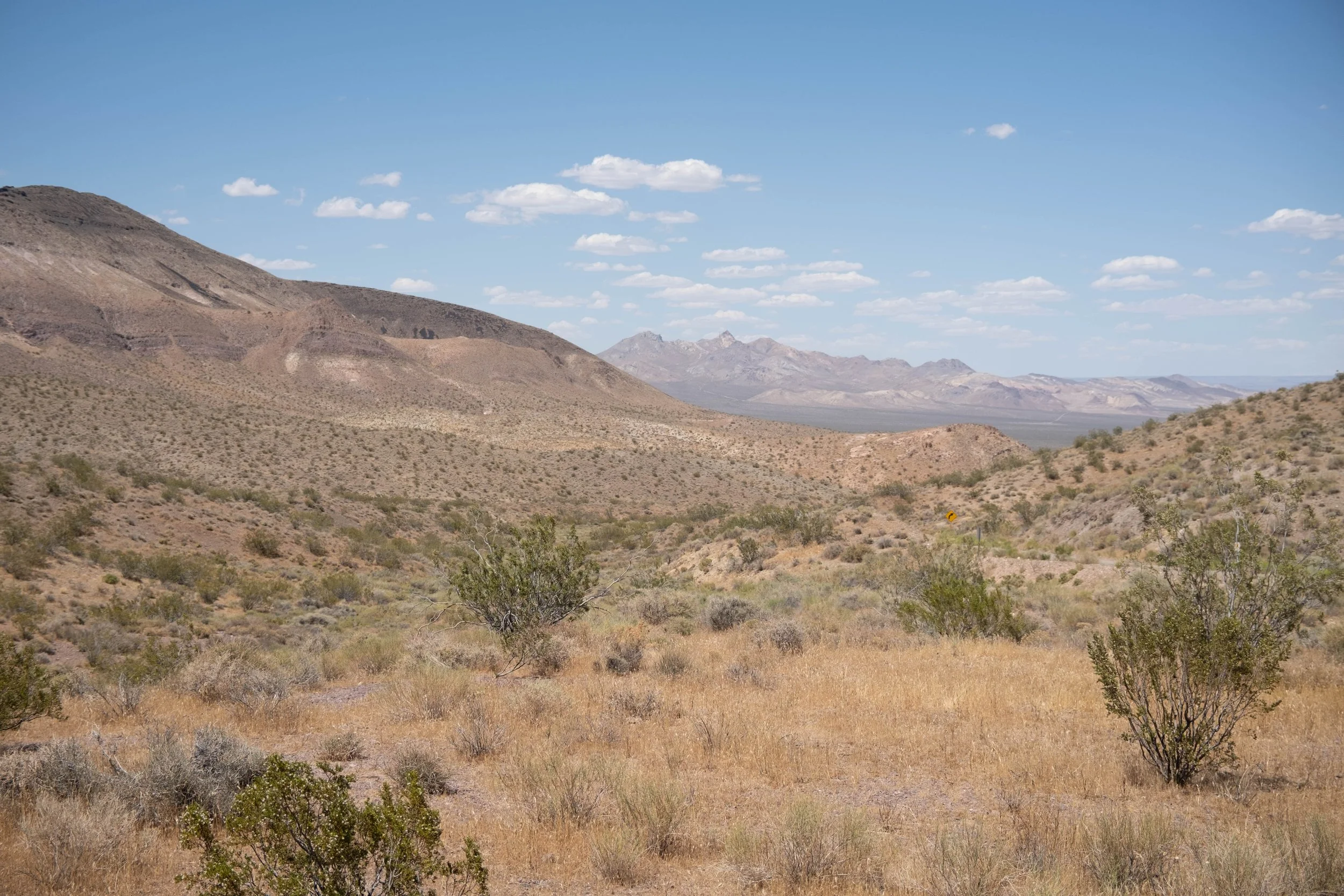
DAYLIGHT PASS
Climbing out of Death Valley, Daylight Pass offers one final panoramic view across one of the most extraordinary landscapes in America before crossing into Nevada.
Looking across the valley, it was impossible not to appreciate the immense scale of the desert. Looking ahead, the open road stretched toward a new state, proving that every great journey is just as much about what comes next as where you've already been.
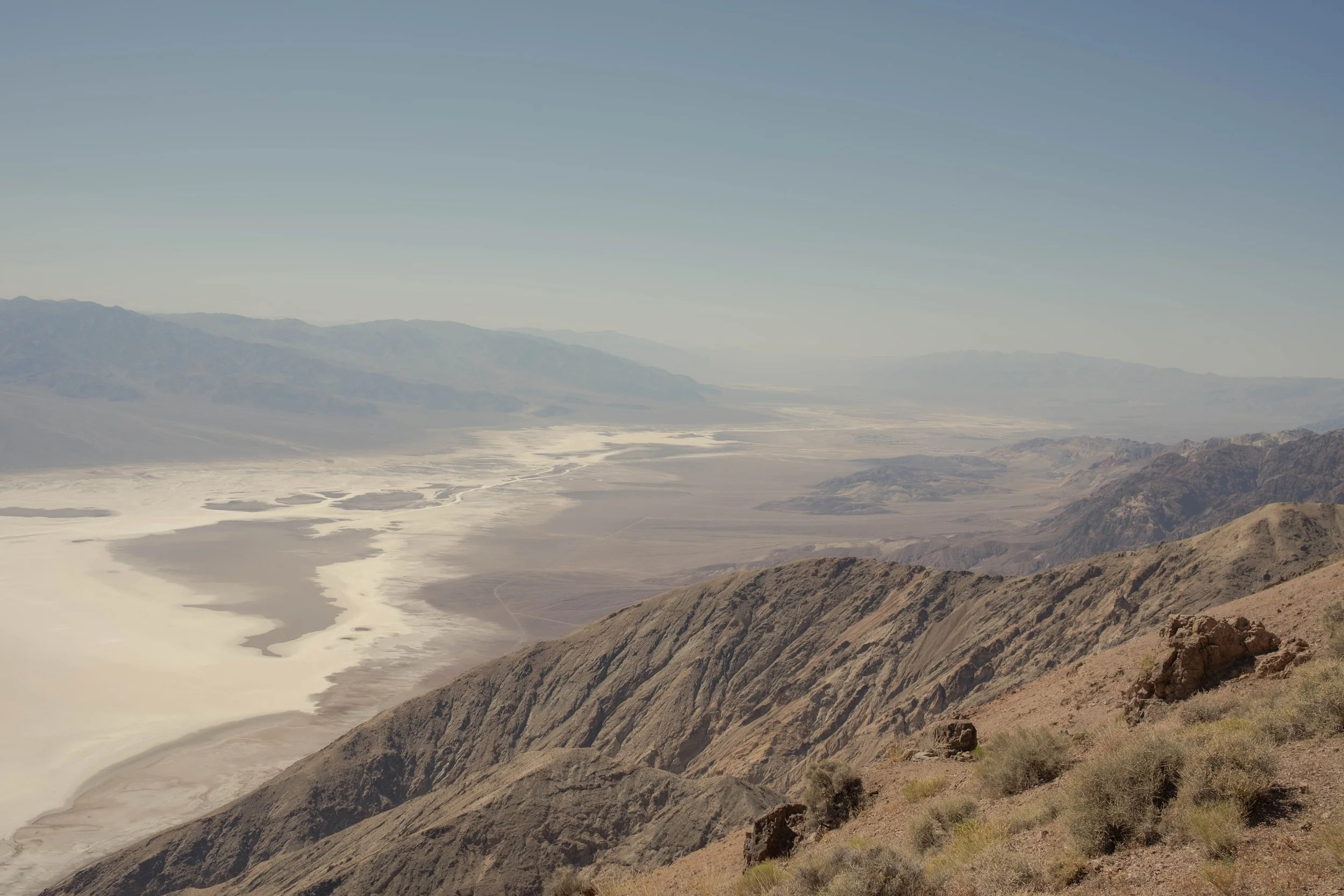
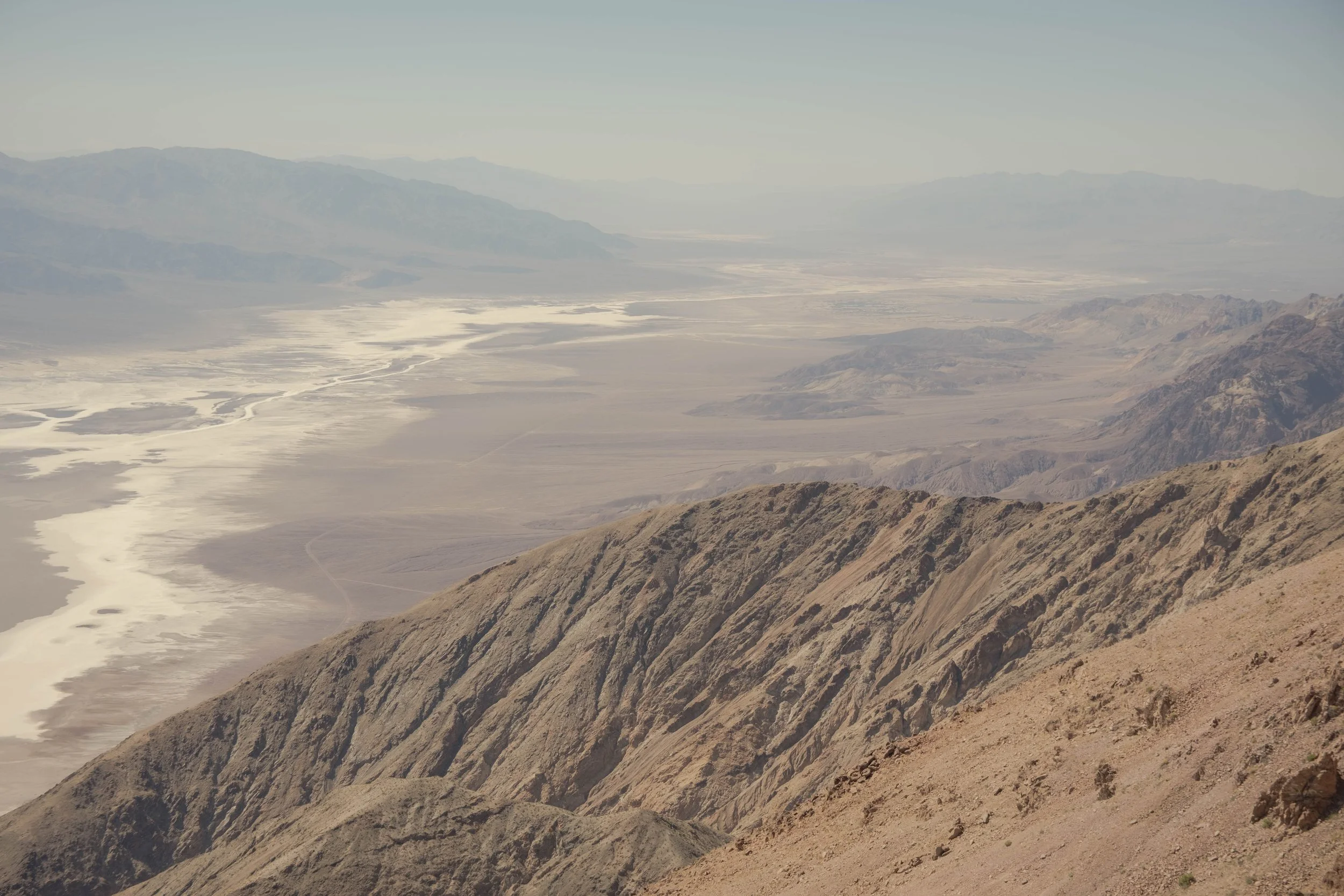
DANTE’s VIEW
After exploring Death Valley from the valley floor, Dante's View offered an entirely new perspective.
Looking down across endless desert, towering mountains, and Badwater Basin nearly 5,500 feet below, it became clear just how immense this landscape truly is.
It was one of those rare places that makes you stop talking and simply take it all in.
THE EPILOGUE
1,259 Miles Later
I set out to explore some of the America's most iconic
landscapes.
Along the way, I discovered forgotten highways, roadside diners,
towering deserts, quiet campgrounds, and places that reminded me
just how vast the world can be.
Some memories are measured in miles.
The best ones are measured in moments.
The journey may end.
The story never does.
Bucket List With Frank
Exploring the extraordinary, one road at a time.