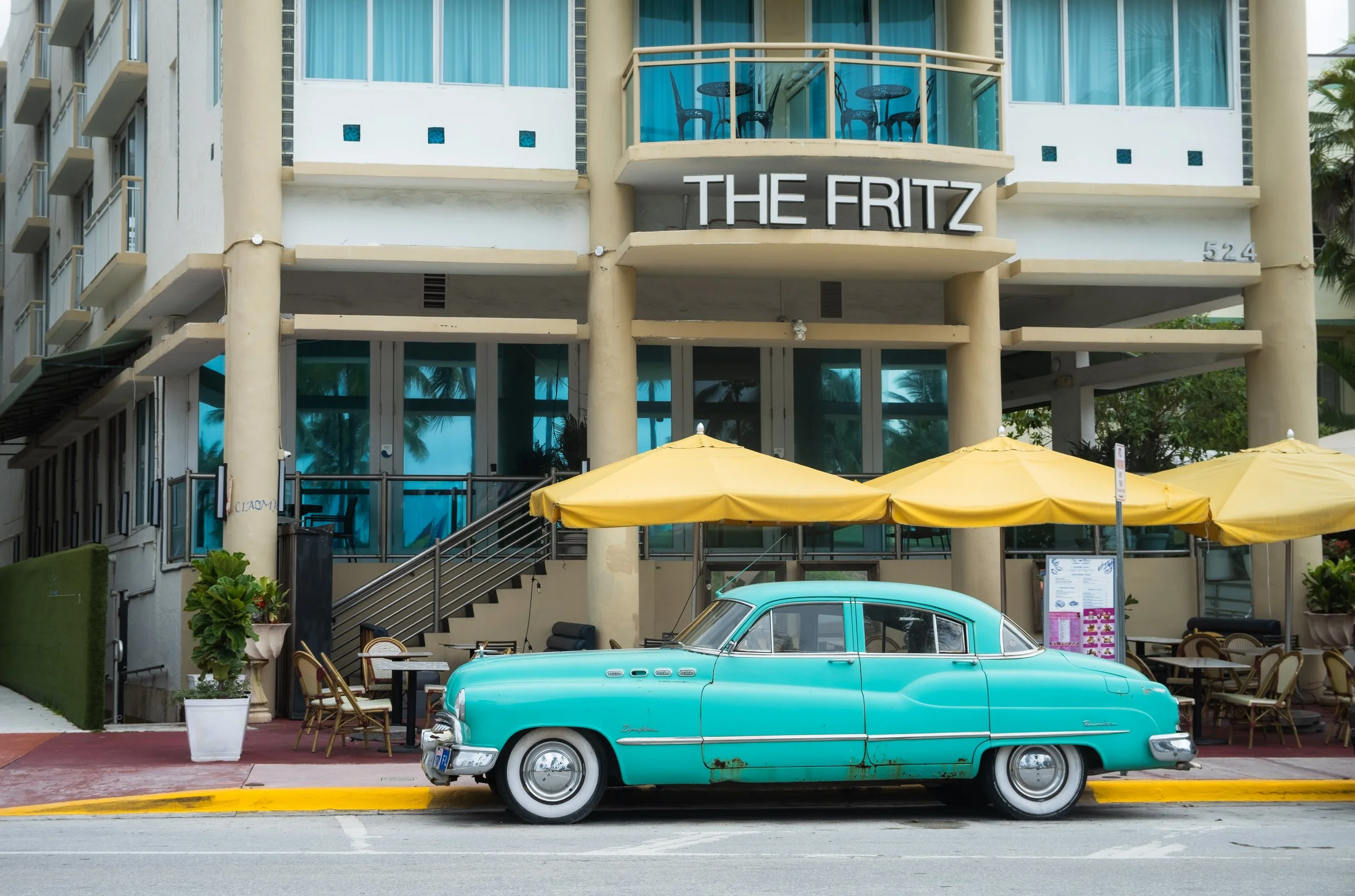
There are parts of South Beach that don’t feel entirely real.
Not because they’re artificial, but because they feel preserved in time.
Walking through Miami Beach at night feels like stepping into somebody else’s vision of the future from nearly a century ago. Neon reflects off wet sidewalks. Palm trees sway between glowing hotel signs. Chrome curves catch the light from passing cars, all while music spills out from rooftops overlooking the Atlantic.
And despite the modern luxury surrounding it all, the architecture still manages to dominate the atmosphere. Despite the nightlife, the influencers, the endless tourism, those buildings stand tall and tell a story.
That’s the power of Miami Beach’s Art Deco Historic District.
These buildings are more than colorful backdrops for vacation photos. They’re living pieces of history that survived economic collapse, hurricanes, redevelopment pressure, and decades of change in one of America’s fastest evolving cities.
And without preservation efforts, much of it could have disappeared forever.
The History of Art Deco In Miami Beach
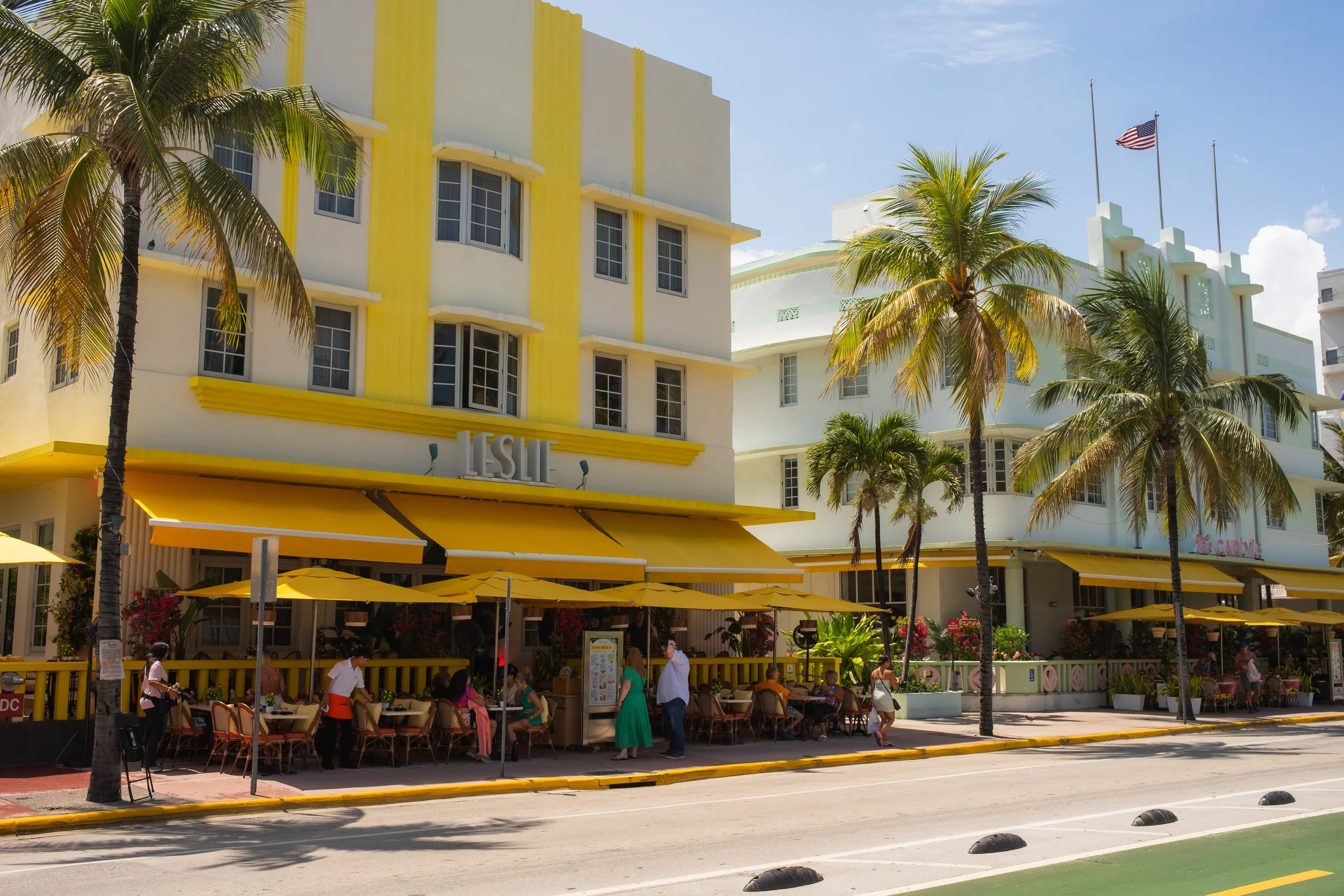
Most of Miami Beach’s iconic Art Deco buildings were constructed during the 1930s and early 1940s, during a time when America was recovering from the Great Depression and architecture began embracing modernism, optimism, and luxury.
Art Deco design focused heavily on sleek geometry, symmetry, curved edges, neon lighting, and futuristic aesthetics. In Miami Beach specifically, architects adapted the style to match the tropical coastal environment.
That’s why so many buildings here feature nautical influences and porthole-style windows, open-air lobbies designed for ocean breezes, rounded corners resembling ocean liners, and a pastel color palette.
The architecture reflected the spirit of the era. These buildings were designed to feel glamourous and modern. These were all symbols of escape, leisure, and possibility during a difficult period of American history.
South Beach quickly became a destination where people came to vacation, reinvent themselves, and temporarily leave ordinary life behind.
But by the 1970s, many of these buildings had fallen into decline.
Tourism shifted elsewhere. Large hotels and modern developments became more profitable. Many of the aging Art Deco properties were viewed as outdated and disposable. Developers pushed for demolition, and there was a very real possibility that much of Miami Beach’s architectural identity would simply be erased.
Fortunately, preservationists and local activists fought to save these structures.
Their efforts ultimately led to the creation of the Miami Beach Architectural District, now recognized as one of the largest collections of Art Deco history in the world.
How Art Deco Still Lives On Today
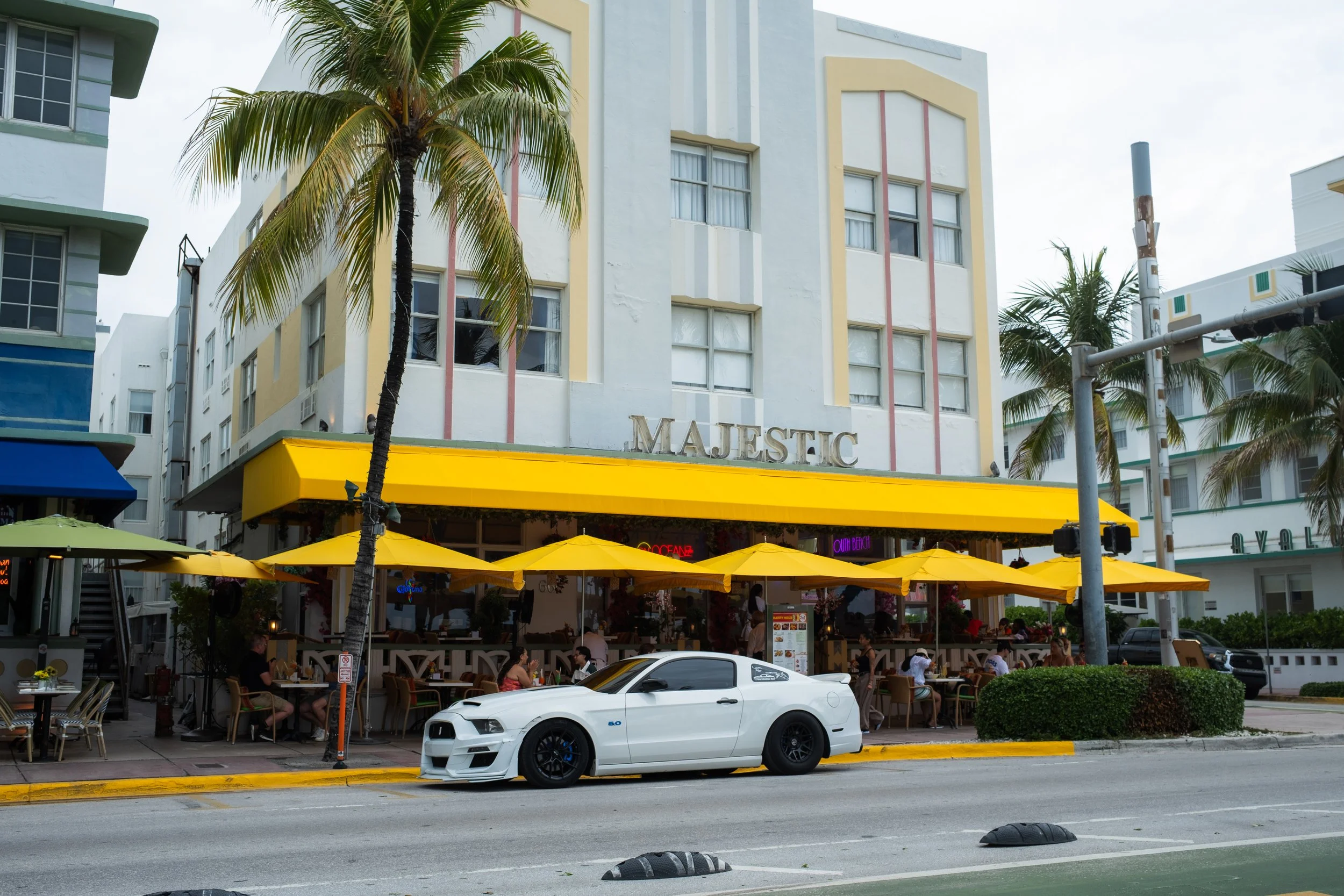
What makes Miami Beach so unique is that history doesn’t just exist behind museum glass or through photographs.
It’s still alive.
People still sleep inside these historic hotels. Restaurants still operate beneath neon signs that have illuminated Ocean Drive for generations. Visitors from around the world continue walking through the same streets people explored nearly a century ago.
The buildings remain woven directly into everyday life.
Even today, the Art Deco aesthetic continues shaping Miami’s identity. Modern hotels, restaurants, bars, and luxury developments still borrow heavily from the style’s colors, lighting, and atmosphere.
And while Miami constantly reinvents itself, these buildings continue grounding the city in something recognizable.
You can feel it most during quieter moments.
Early mornings before the crowds wake up. Late nights after the music fades. Walking side streets away from the busiest tourist areas where the architecture becomes easier to appreciate without distraction.
That’s when Miami Beach starts feeling less like a tourist destination and more like a city carrying layers of history beneath the surface.
Why Preserving History Matters
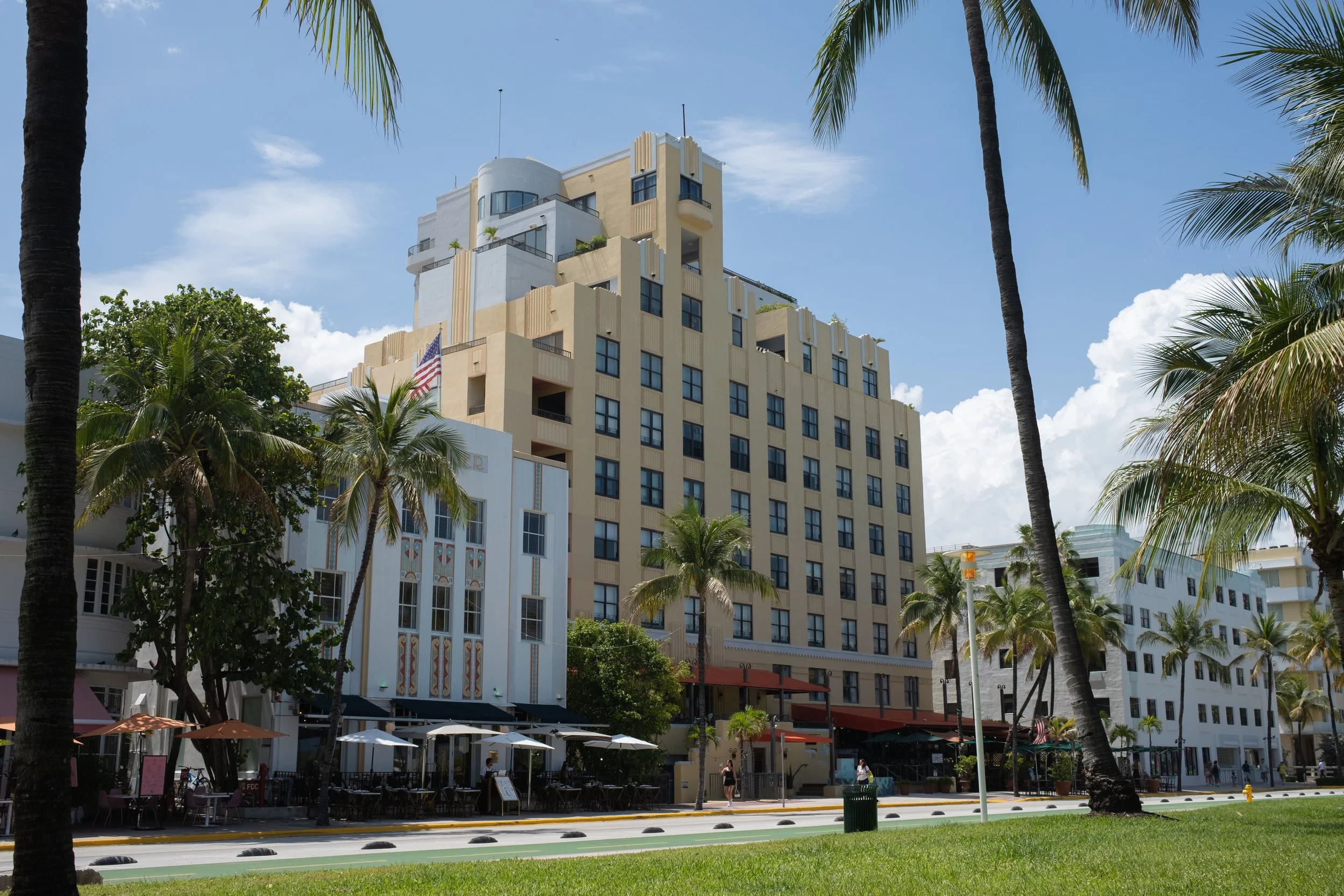
Historic preservation is about far more than saving old buildings.
It’s about protecting identity.
Cities today increasingly feel interchangeable. Luxury towers rise in nearly every major metropolitan area using the same glass facades, minimalist aesthetics, and corporate design language. Entire neighborhoods can lose their character within a decade.
Places like South Beach remind people that cities can still retain individuality.
These buildings provide a physical connection to another era. They allow for a glimpse into how people once imagined the future, traveled, vacationed, socialized, and lived.
Architecture tells stories in ways that photographs and textbooks sometimes cannot.
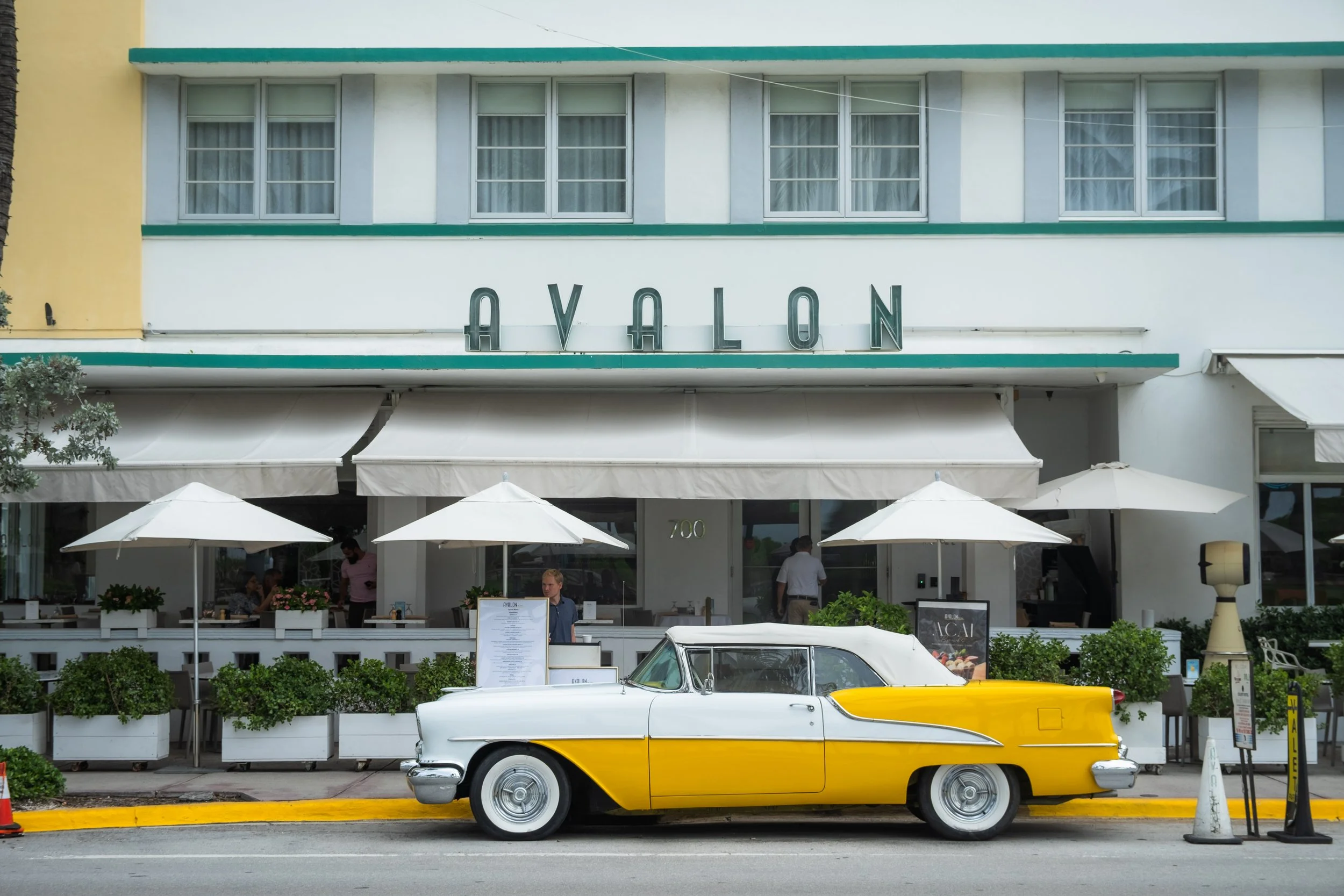
The details preserved in these buildings reveal the optimism of the 1930s, the rise of automobile tourism, the glamour associated with oceanfront travel, and the cultural shifts that shaped Miami into what it is today.
Without preservation, those stories disappear.
Not just visually, but culturally.
Miami Beach avoided that fate because people understood that these buildings mattered.
And in a city constantly evolving through tourism, immigration, nightlife, wealth, and reinvention, preserving pieces of its past helps maintain something authentic beneath all the change.
That’s what gives South Beach its soul.
Not just the beaches or nightlife.
But the fact that history is still standing there beneath the neon lights, surviving against the odds.